Top 7 Cyber Safety Challenges Kids Face and How to Beat Them with Dr. Phish
Think your kids are safe online just because they’re careful? Think again. Every day, kids face sneaky traps like phishing scams, cyberbullies, and risky social media habits that can turn their digital world upside down. But here’s the good news: with Dr. Phish’s top 7 cyber safety tips, your family can spot the dangers and fight back like real cyber heroes. Ready to suit up and protect your kids in the digital age? Learn more about these challenges here.
Cyber Safety Challenges and Solutions

In today’s digital world, kids face numerous challenges. But with the right knowledge and tools, they can navigate safely. Let’s dive into some key areas where they can stay informed and protected.
Understanding Cyberbullying Prevention
Cyberbullying is a real concern for many children. It’s when someone uses digital platforms to hurt or scare others. The best defense is knowledge. Encourage your kids to talk openly about their online interactions. If they feel threatened, they should reach out to a trusted adult.
Cyberbullying can happen through mean text messages, fake profiles, or spreading rumors online. Teach your kids to recognize these signs and not participate. Remind them that bullying affects everyone, not just the target. A supportive friend can make a big difference.
Sometimes, kids might not realize the impact of their words. Talk about empathy and kindness. If they see bullying, they should report it to an adult and not join in. These steps can create a safer online space.
Safe Gaming for Kids Tips
Games are fun, but they can also be a source of trouble. To play safely, kids need to know a few important rules. First, set time limits to ensure they’re not spending too much time in front of screens. Balance is key.
Next, be mindful of in-game purchases and chat features. Some games trick kids into spending money or sharing personal information. Talk to your kids about these risks. Encourage them to check with you before making any purchases or chatting with strangers.
Finally, choose games that are age-appropriate. SafeWise offers great tips on selecting games that are suitable for children. By following these steps, gaming can be both fun and safe.
Phishing for Kids Awareness
Phishing is when someone tries to trick you into sharing your personal information. Kids can be easy targets if they don’t know what to look for. Teach them to be cautious about emails or messages that ask for personal details.
Phishing attempts often come in the form of fake emails or links. These can look real but lead to trouble. Encourage your kids to double-check the sender’s email address and not click on suspicious links. It’s always better to be safe and ask questions.
By learning about phishing, kids can avoid falling for scams. For more detailed information on phishing threats, check out this Kaspersky resource.
Protecting Privacy and Security Online

Privacy is crucial in the digital age. Kids should know how to keep their information safe. Here are some ways to protect their personal details and stay secure online.
Password Safety for Kids
Passwords are like keys to the digital world. They need to be strong and secure. Teach your kids to create passwords that are a mix of letters, numbers, and symbols.
Remind them to never share their passwords with friends. A good practice is to change passwords regularly. This makes it harder for anyone to access their accounts without permission. Using two-step verification adds an extra layer of safety.
Kids should also avoid using the same password for multiple accounts. This simple habit can make a big difference in keeping their information safe.
Social Media Safety for Kids
Social media is a popular way for kids to connect with friends. However, it can also be risky if not used carefully. Encourage your kids to set their profiles to private. This limits who can see their posts and personal information.
Teach them to think before they post. Once something is online, it can be hard to remove. Remind them to avoid sharing personal details like home addresses or phone numbers.
Help them understand that not everyone online is who they claim to be. It’s important to be cautious about accepting friend requests from strangers. Social media can be enjoyable if used wisely.
Privacy for Children Online
Keeping personal information private is essential. Kids should know the importance of not sharing too much online. This includes things like their full name, school, or location.
Encourage them to ask for permission before signing up for new websites or apps. Many sites collect information, and it’s crucial to know how it will be used.
Discuss the concept of digital footprints. Everything they do online leaves a mark. Being aware of this can help them make better decisions about what they share.
Engaging Resources and Tools
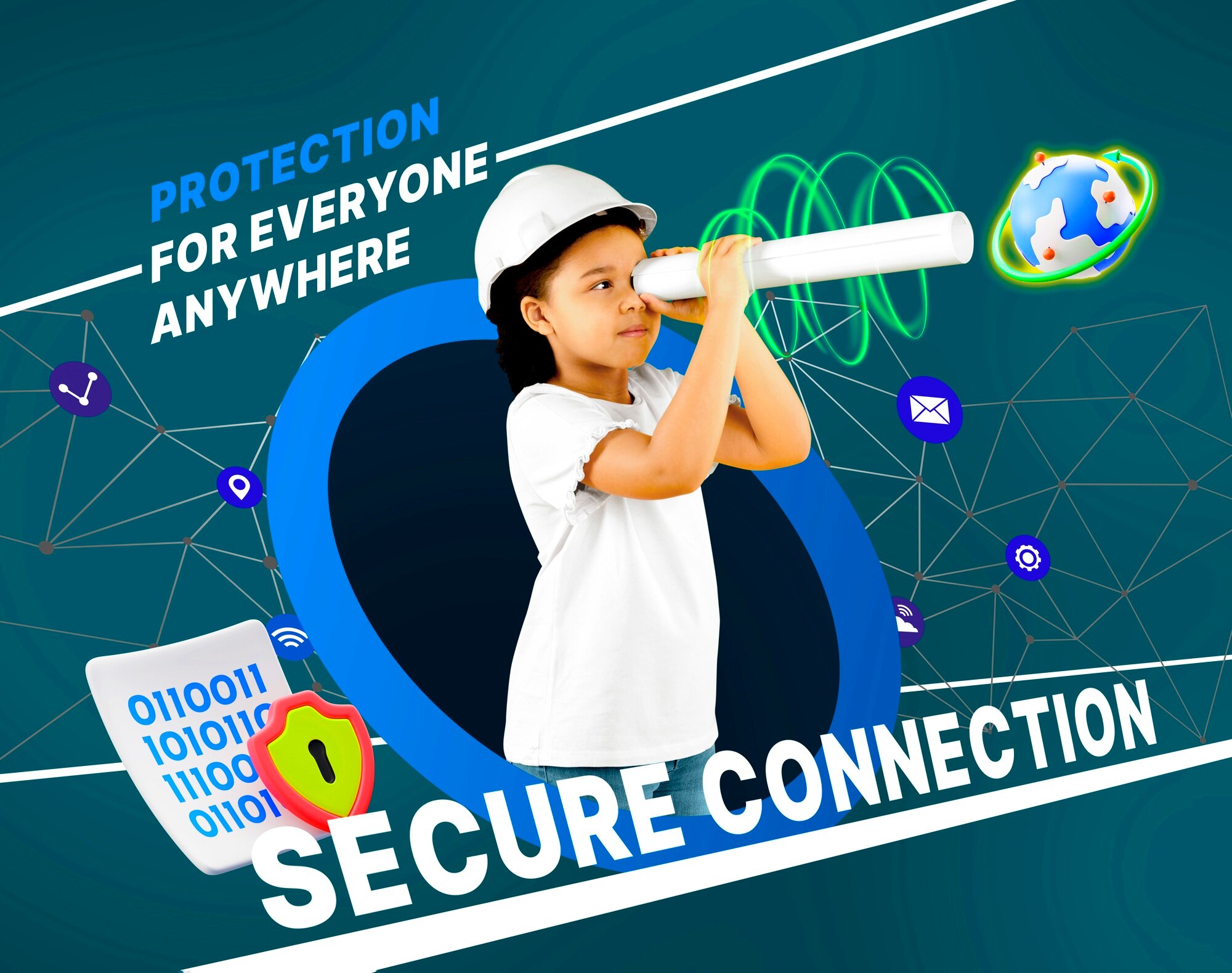
To make learning about cyber safety fun and effective, engaging resources are essential. Dr. Phish offers a variety of tools to help kids become cyber heroes.
Dr. Phish Book Series Overview
The Dr. Phish book series is an exciting way for kids to learn about online safety. Through thrilling stories, young readers can follow Dr. Phish, a cyber hero, as he battles online threats. This engaging format makes learning both fun and memorable.
Each book covers real-world scenarios that kids might encounter. From fake friend requests to scammy game offers, Dr. Phish brings these dangers to life. The series is designed to spark curiosity and teach practical safety skills.
By reading these books, kids gain confidence in navigating the digital world. It’s an adventure that combines fun with learning, making it a must-read for any aspiring cyber hero.
Parental Controls Guide
Parental controls are a great way to keep kids safe online. They help limit access to inappropriate content and manage screen time. Setting up these controls is simple and effective.
Start by using the built-in controls on your devices. This can block unwanted websites and restrict app downloads. It’s also helpful to monitor your child’s online activity regularly.
Communication is key. Talk to your kids about why these controls are in place. They should understand that it’s about keeping them safe, not limiting their freedom. For more tips on parental controls, visit the Washington Trust blog.
School Cyber Safety Curriculum
Schools play a vital role in teaching kids about online safety. A well-structured cyber safety curriculum can make a big difference. It helps students understand the risks and learn how to protect themselves.
Programs like Dr. Phish’s school curriculum offer interactive lessons on various topics. These include phishing, privacy, and social media safety. By integrating these lessons, schools can prepare students for the digital world.
Working together, parents and educators can create a safe online environment for children. For additional resources, the CISA presentation offers valuable insights.
🎮🔒📚
By understanding these cyber safety challenges and solutions, kids can become true cyber heroes. With the right knowledge and tools, they can navigate the digital world confidently and safely.