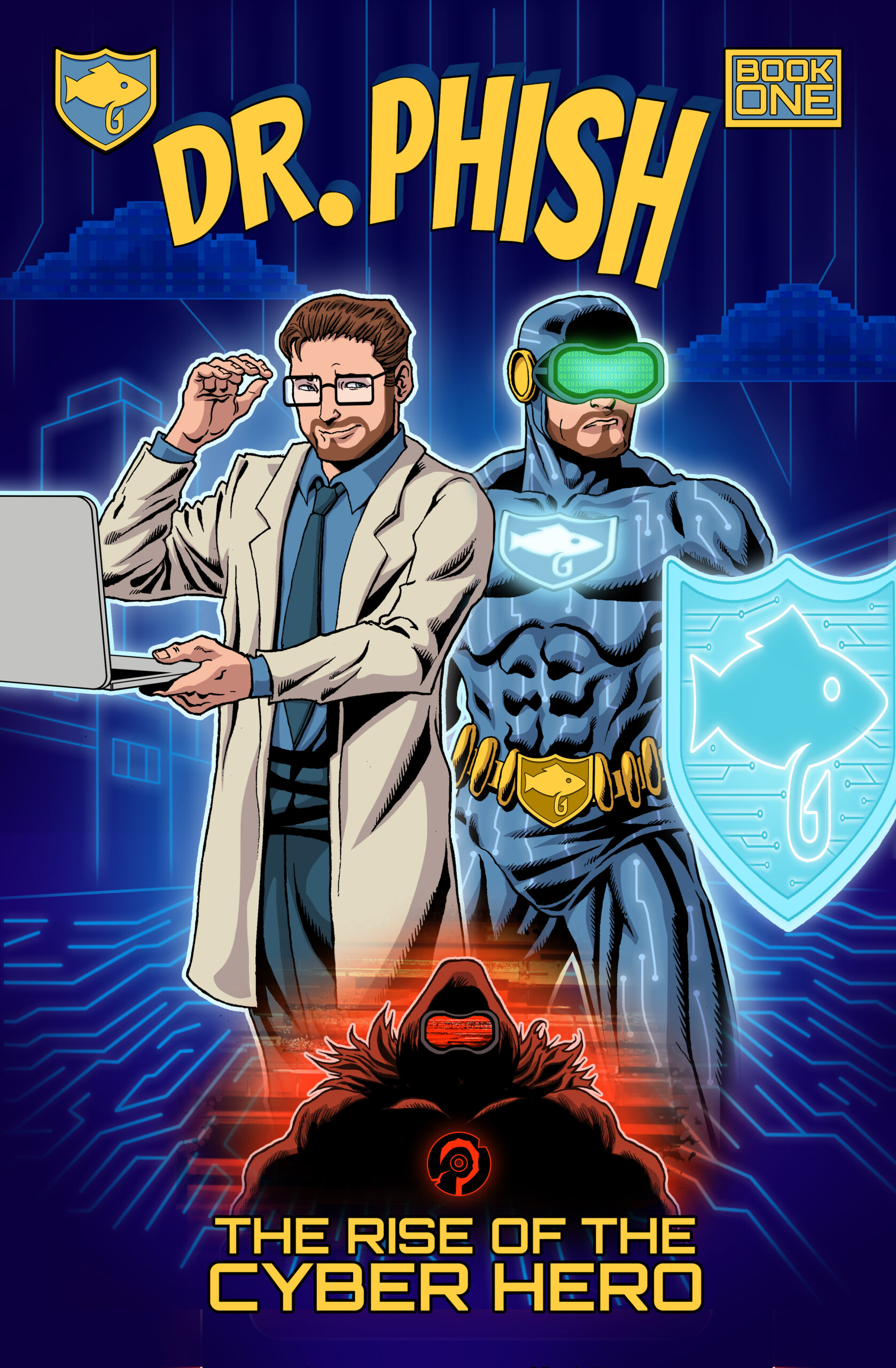

Raising Cyber Heroes: 7 Proven Ways to Build Digital Resilience in Kids
Most parents know screen time battles aren’t the only challenge online. Kids face tricky scams, cyberbullies, and privacy puzzles every day. Building digital resilience for kids means giving them the tools to spot danger, protect themselves, and become confident cyber heroes. Ready to learn seven proven ways to turn your child into a safe internet adventurer with Dr. Phish as their guide? Read more here.
Building Digital Resilience for Kids
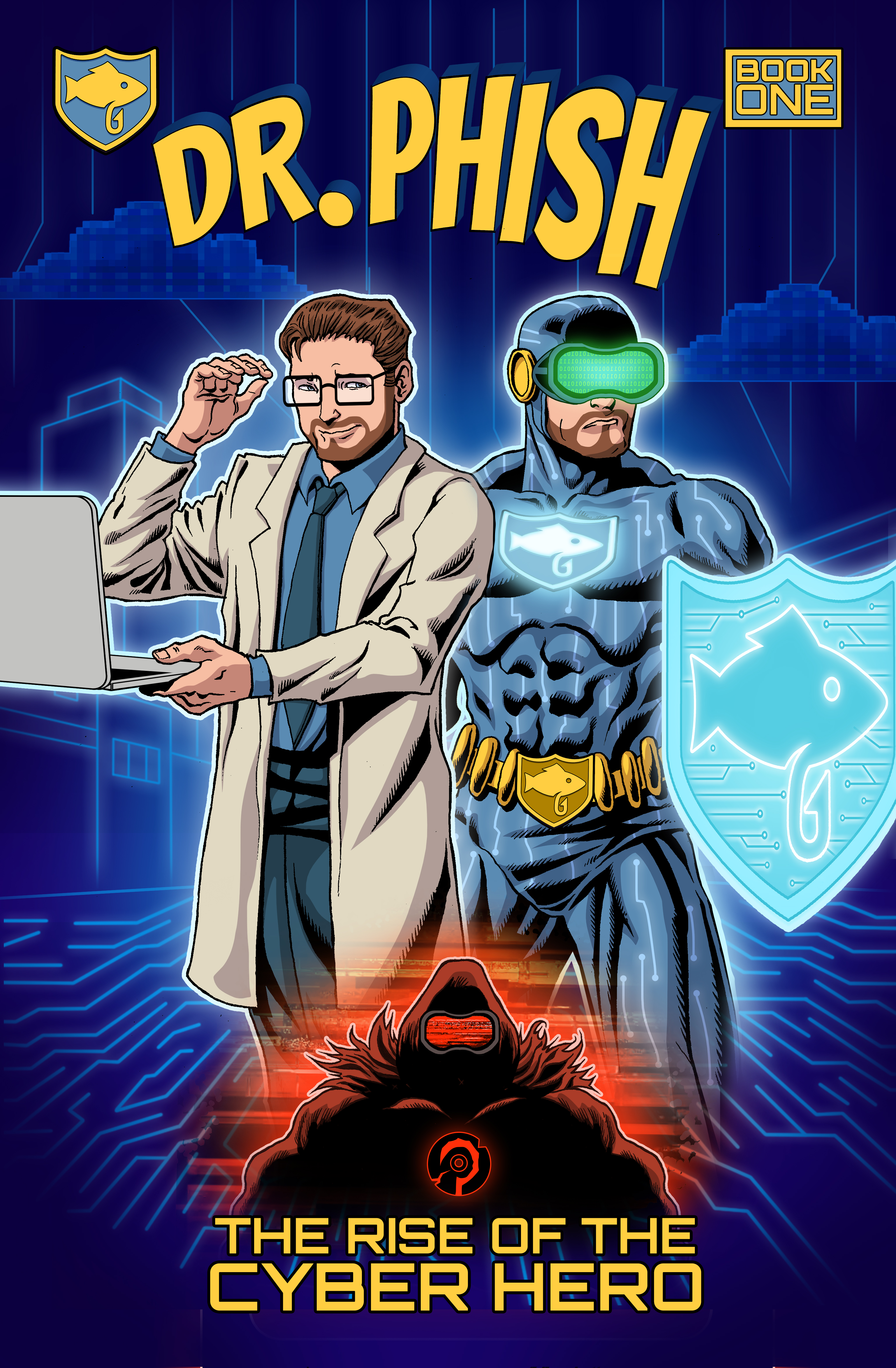
Digital resilience for kids is key in today’s world. It helps them understand how to stay safe and confident online. With Dr. Phish as their guide, children can learn valuable skills that empower them. Let’s explore the basics first.
Understanding Digital Citizenship
Digital citizenship is like being a good neighbor, but online. It’s about behaving responsibly and safely on the internet. Start by teaching your child to respect others and think critically about what they read. Use examples from Dr. Phish’s adventures to show how treating others online is as important as in real life.
Children can learn to spot fake news by asking questions. Encourage them to verify sources and share only factual information. This simple habit can prevent the spread of false content. By understanding their digital footprint, kids can manage what they share online, ensuring privacy and safety.
Encouraging Safe Internet Habits
Safe internet habits are crucial for online safety for children. Begin with small steps, like setting time limits on devices. A consistent routine helps children balance their digital and real-world activities. Dr. Phish often reminds kids that breaks can boost creativity and focus.
Another habit to cultivate is critical thinking about links and emails. Teach children to be wary of unsolicited messages. A fun game can be spotting suspicious elements in emails, like unknown senders or urgent requests. This practice can safeguard your child from online threats.
Teaching Media Literacy to Children
Media literacy for kids involves understanding online content and distinguishing fact from fiction. Use stories and characters, like Dr. Phish, to make learning engaging. Kids can explore how media messages are created and the intentions behind them.
To build these skills, have discussions about different types of media. Watch a video together and analyze its message. Ask questions like “What is this trying to tell us?” or “Is there another side to this story?” This approach encourages children to think deeply and critically about the information they consume.
Empowering Kids Against Online Threats
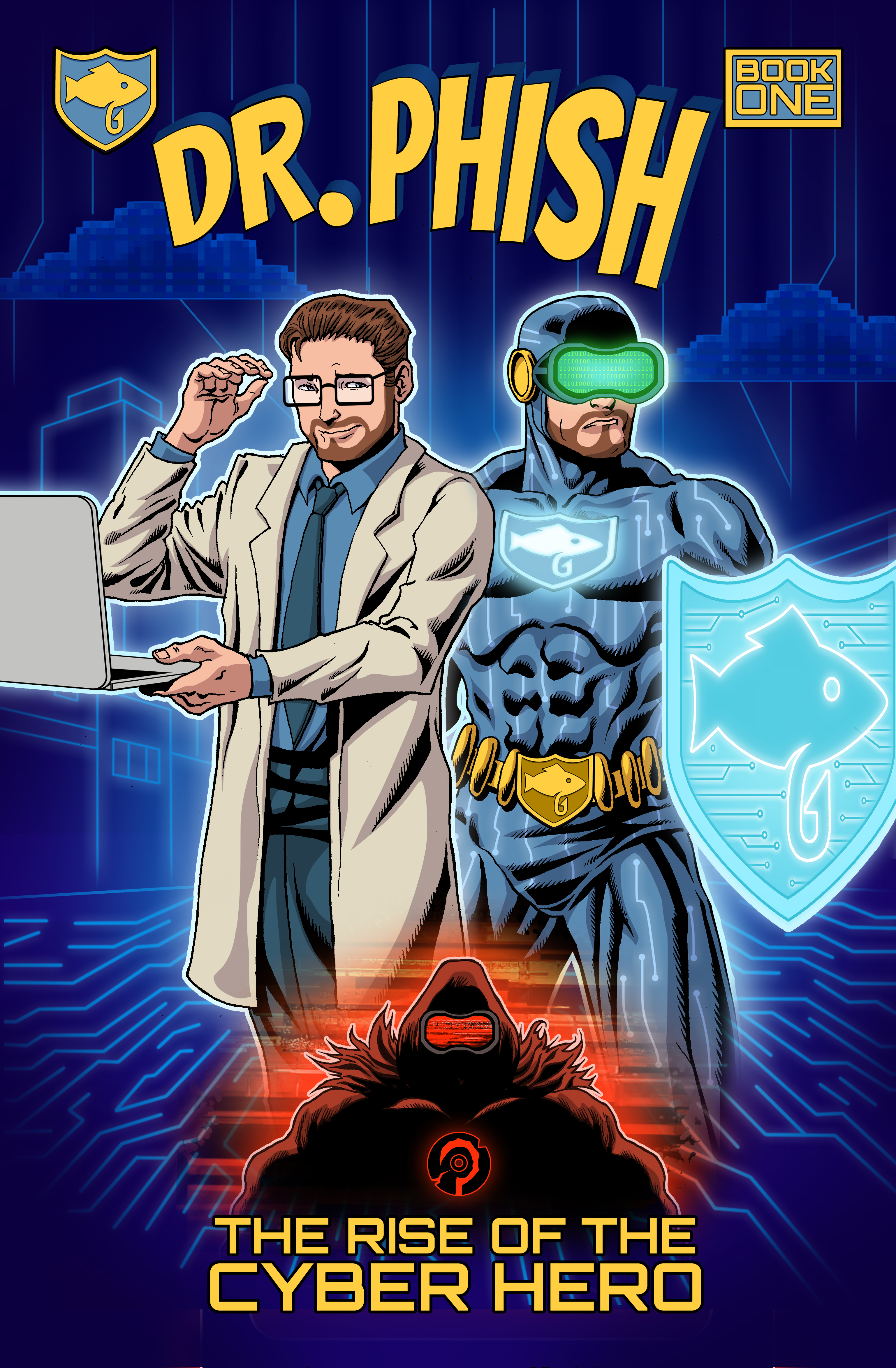
Now that we’ve covered the basics, it’s time to tackle specific threats. Empowering kids to recognize and handle online dangers will transform them into true cyber heroes.
Cyberbullying Prevention Strategies
Cyberbullying can affect a child’s self-esteem. Encourage open communication, so your child feels comfortable sharing their online experiences. Explain that bullies often seek reactions, and not responding can sometimes be the best action.
Role-playing can help children practice responses to bullying. Discuss scenarios and potential reactions. Teach them the importance of screenshotting evidence and reporting incidents. By knowing how to handle bullies, children gain confidence and control over their online interactions.
Phishing for Kids: Fun and Safe
Phishing for kids can be a tricky subject. Turn it into a game by having them spot fake emails or messages. Dr. Phish’s stories often include these deceptive challenges. Children can learn to identify clues like bad grammar or mismatched URLs.
Create a family challenge to see who can find the most fake emails in a week. Offer small rewards for spotting phishing attempts. This fun approach reinforces important skills and encourages vigilance against online scams.
Password Safety Tips for Young Heroes
Password safety for kids is vital in keeping accounts secure. Teach your child to create strong passwords using a mix of letters, numbers, and symbols. A simple way to remember them is by using a phrase or a line from a favorite book, like one from Dr. Phish’s adventures.
Discuss the importance of keeping passwords private and changing them regularly. Practice with your child by updating passwords together. This activity not only protects their accounts but also instills a sense of responsibility in managing their online presence.
Engaging Family and Classroom Activities

Families and educators play a crucial role in reinforcing online safety lessons. Let’s explore some fun activities to engage everyone in the cyber safety journey.
Screen Time Family Agreement Fun
A screen time family agreement can help set boundaries. Involve your child in creating rules, such as device-free dinners or bedtime limits. This collaboration ensures everyone understands and respects the guidelines.
Plan weekly family meetings to discuss how everyone is managing screen time. Use these sessions to adjust the rules if needed. Keep the conversation lighthearted, focusing on the benefits of balance and shared activities beyond screens.
Classroom Digital Literacy Activities
Classroom digital literacy activities can make learning about online safety exciting. Teachers can incorporate games and role-playing into lessons. Dr. Phish’s adventures provide excellent scenarios to explore and discuss.
Organize group projects where students create posters about digital citizenship. Encourage them to research and present their findings. This interactive approach fosters team collaboration and reinforces online safety concepts in an engaging way.
Interactive Cyber Hero Adventures 🚀
Interactive cyber hero adventures are a fantastic way to bring cyber safety to life. Use Dr. Phish’s stories to inspire children to create their own superhero narratives. They can write or draw their adventures, incorporating safety lessons they’ve learned.
Host a cyber hero day, where kids can dress up as their favorite characters and share their stories. This creative exercise not only reinforces lessons but also encourages children to take pride in their knowledge and role as cyber heroes.
By integrating these strategies into daily routines, children can become savvy, confident explorers of the digital world. Remember, the key is consistency and engagement. Most importantly, have fun while learning together!